
Preparing a residential property for the competitive real estate market involves far more than simply applying a fresh coat of modern paint or arrangi
Preparing a residential property for the competitive real estate market involves far more than simply applying a fresh coat of modern paint or arranging contemporary furniture in the main living room. Today’s home buyers are incredibly savvy, cautious, and detail-oriented. They look past cosmetic surface upgrades, focusing their attention on the fundamental structural health of a house. When a home suffers from a compromised core, a smooth transaction becomes incredibly difficult to achieve. A critical structural issue can quickly scare away qualified buyers, drop your property valuation, or cause a pending deal to fall apart entirely during final negotiations.
To navigate these high-stakes transactions successfully, working alongside an experienced real estate agent is essential for identifying hidden property vulnerabilities. A knowledgeable agent will inspect your property with a critical eye, looking for structural defects that could trigger major red flags during a home inspection. This proactive pre-listing property restoration sequence is vital. When an aged, settling foundation triggers wall cracks and misaligned frames, it creates massive pre-sale home inspection blockages. These issues spike buyer anxiety and collapse deals.
However, a professional structural underpinning intervention delivers absolute structural stability, removing those hurdles entirely. If your older property exhibits signs of an unlevel, settling foundation, investing in professional basement underpinning is the ultimate corrective strategy. This specialized structural engineering process deepens and reinforces your existing foundation footings, stabilizing the entire house from the ground up. Addressing these core structural flaws before your listing goes live allows you to enter the market with absolute confidence, ensuring a fast, successful sale.
Recognizing the Warnings: Structural Red Flags in Older Foundations
Older residential properties carry immense architectural character and timeless charm, but their foundations are constantly battling the laws of nature and soil physics. Over several decades, the soil beneath a home can shift, wash away, or compress unevenly due to poor neighbourhood drainage, seasonal freeze-and-thaw cycles, or heavy clay composition. When the earth beneath a concrete foundation moves, the heavy structure above begins to sink unevenly. This process is known as differential settlement, and it is one of the most serious structural problems a home can face.
As a foundation settles, it drops clear physical warning signs throughout the entire house. In the basement, you might notice long, horizontal or diagonal cracks tearing across the concrete walls, or gaps opening up where the floor meets the wall. As the structural movement travels upward, it warps the interior framing of your upper living areas. This structural shift causes doors to stick stubbornly in their frames, windows to jam tightly when you try to open them, and hardwood flooring to slope noticeably to one side. To an untrained eye, a sticky bedroom door might seem like a minor humidity issue. However, to an experienced home inspector, it is a glaring red flag that signals active, unresolved foundation movement.
Deconstructing Underpinning: How the Structural Core is Reinforced
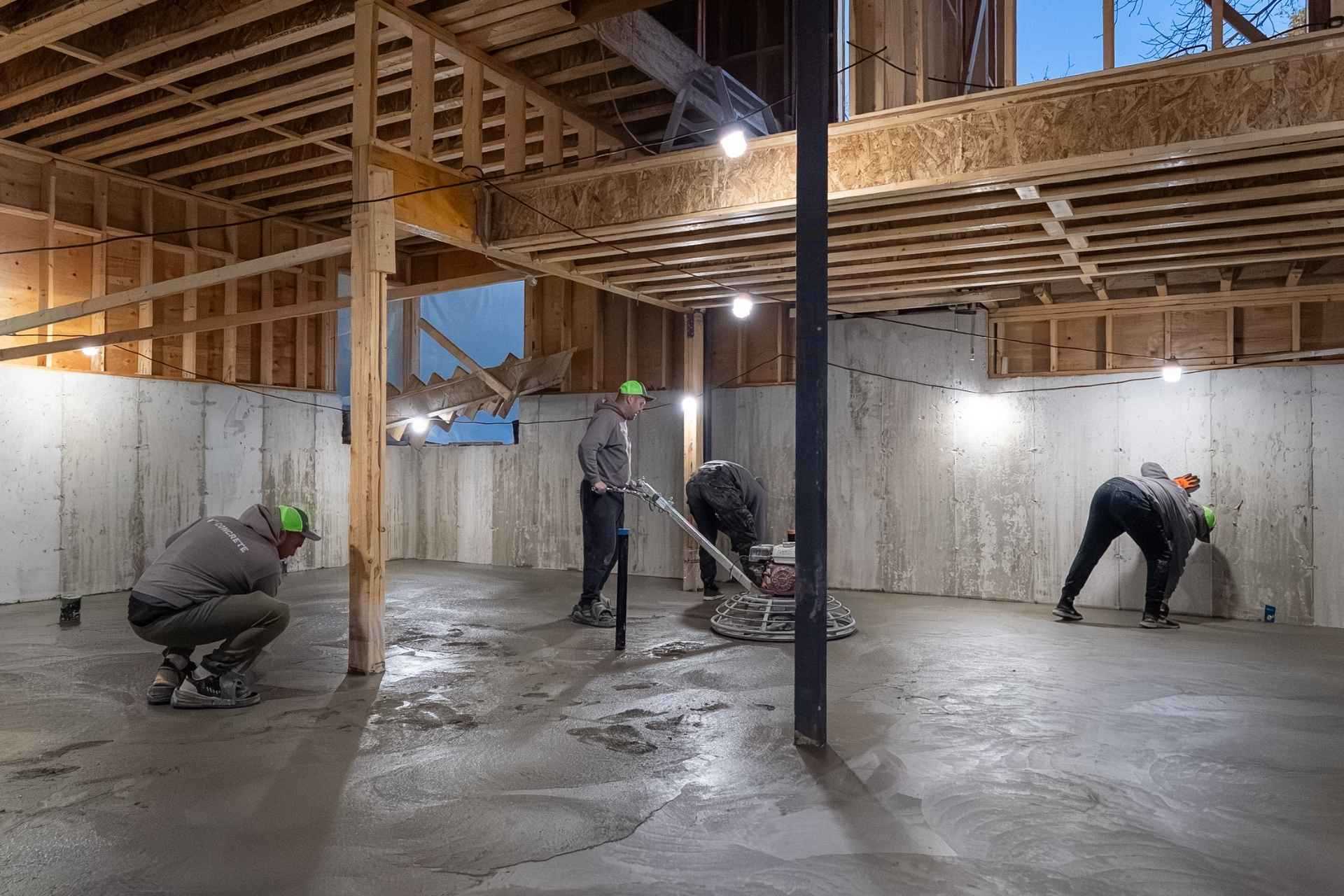
Basement underpinning may sound like a daunting, complex industrial construction project, but the underlying engineering concept is straightforward and highly reliable. In simple terms, underpinning is the process of extending the depth of your home’s existing foundation so that it rests on much stronger, deeper, and more stable soil strata. It essentially replaces a shallow, failing foundation system with a brand-new, engineered support structure that is built to last for centuries. This footing reinforcement follows a specific structural mechanic.
The existing shallow base, which currently rests on shifting, unstable topsoil layers, must be bypassed. Contractors perform a careful excavation of sequential, alternating pits directly beneath the old footings. These pits are then filled to create a deep concrete extension. This process results in a permanent sub-strata lock, which permanently anchors the entire house to stable, load-bearing earth. The construction process requires incredible precision and is executed in a careful, sequential manner. Instead of digging out the entire perimeter at once, which would cause the house to collapse, structural contractors excavate small, alternating pits beneath the existing foundation walls.
These pits are dug down to a predetermined, engineered depth where load-bearing soil or bedrock is reached. Once a pit is cleared, workers fill it with high-strength concrete and allow it to cure fully, creating a rock-solid structural pier beneath the old footing. The team repeats this process around the perimeter until the entire home rests on a continuous, deep concrete wall. This intervention permanently halts any future foundation settlement.
Giving Real Estate Professionals the Ultimate Marketing Tool
When a real estate professional guides potential buyers through a property, their primary objective is to build trust, highlight value, and minimize buyer anxiety. An older home with visible basement wall cracks or sloping floors naturally triggers immense fear in a buyer’s mind. They immediately begin visualizing catastrophic structural failures, collapsing walls, and endless, unpredictable renovation expenses. This anxiety can cause a property to sit on the market for months, forcing the seller to endure multiple, painful price reductions just to attract low-ball offers.
Completing a professional underpinning project before listing your home completely flips this narrative in your favour. It transforms a major, scary structural weakness into an undeniable, high-value premium selling feature. Your agent can proudly market the property as a “permanently stabilized structure,” backed by official engineering stamps and long-term, transferable structural warranties. This level of transparency provides immense psychological relief to prospective buyers. It changes how they perceive the home, shifting their focus away from structural fear and allowing them to appreciate the property’s true architectural beauty and neighbourhood value.
Passing the Pre-Sale Home Inspection with Flawless Results
The home inspection phase is often the most stressful hurdle in a modern real estate transaction. Buyers use home inspectors to audit a property’s condition. Unfortunately, a negative inspection report can instantly derail a deal. It can destroy a transaction that took weeks to put together. When an inspector discovers active foundation settlement, they have a strict duty. They must note it as a critical safety defect. This formal note forces the buyer’s bank to deny mortgage approval. Financing stalls until a structural engineer signs off on the property, creating a chaotic and stressful crisis for the seller.
Underpinning your basement solves this problem entirely before the inspector ever sets foot on your property. The construction process successfully clears several vital ocular and structural diagnostic milestones. On the lowest level, it completely eliminates wide stair-step cracks. It also corrects structural concrete bowing along the basement walls. Moving upstairs, the process restores perfect plumb lines to the main floor frames. This corrective alignment stops doors and windows from jamming. The engineered process also flattens and levels uneven slabs. This levelling completely erases noticeable structural slopes on your basement flooring.
By completely bypassing weak topsoil, underpinning securely locks the home to dense, load-bearing earth. This solid foundation erases ugly stress fractures in the drywall above your interior door and window headers. Because the underpinning process is fully engineered and permitted, it creates a clean paper trail of structural perfection. The inspector will see a level, reinforced foundation system that meets or exceeds modern building codes. Instead of writing a frightening report filled with warnings, the inspector will note that the home’s core is fully updated. This flawless report allows the buyer’s financing to proceed smoothly, securing a fast, stress-free closing.
Protecting Your Equity with Foundation Restoration
Selling an older home does not mean you have to settle for a lower property value or live in constant fear of a failed home inspection. Your home’s foundation is the core anchor that holds your entire real estate investment together. By taking a proactive approach to structural issues, you protect your property equity and secure a massive advantage in a competitive market.
True real estate success is achieved when your exterior structural integrity and your marketing strategy work together in perfect harmony. Investing in basement underpinning removes the largest potential hurdle to a successful transaction, giving buyers absolute confidence in your home’s longevity. Partnering with licensed general construction specialists ensures your foundation is permanently stabilized and backed by ironclad warranties. Taking control of your property’s foundation health today protects your financial investment, creates absolute peace of mind for buyers, and paves the way for a highly profitable, stress-free sale.
