
During a sudden Canadian downpour, your roof acts as a massive funnel. It collects thousands of gallons of water in a matter of minutes. For homes wit
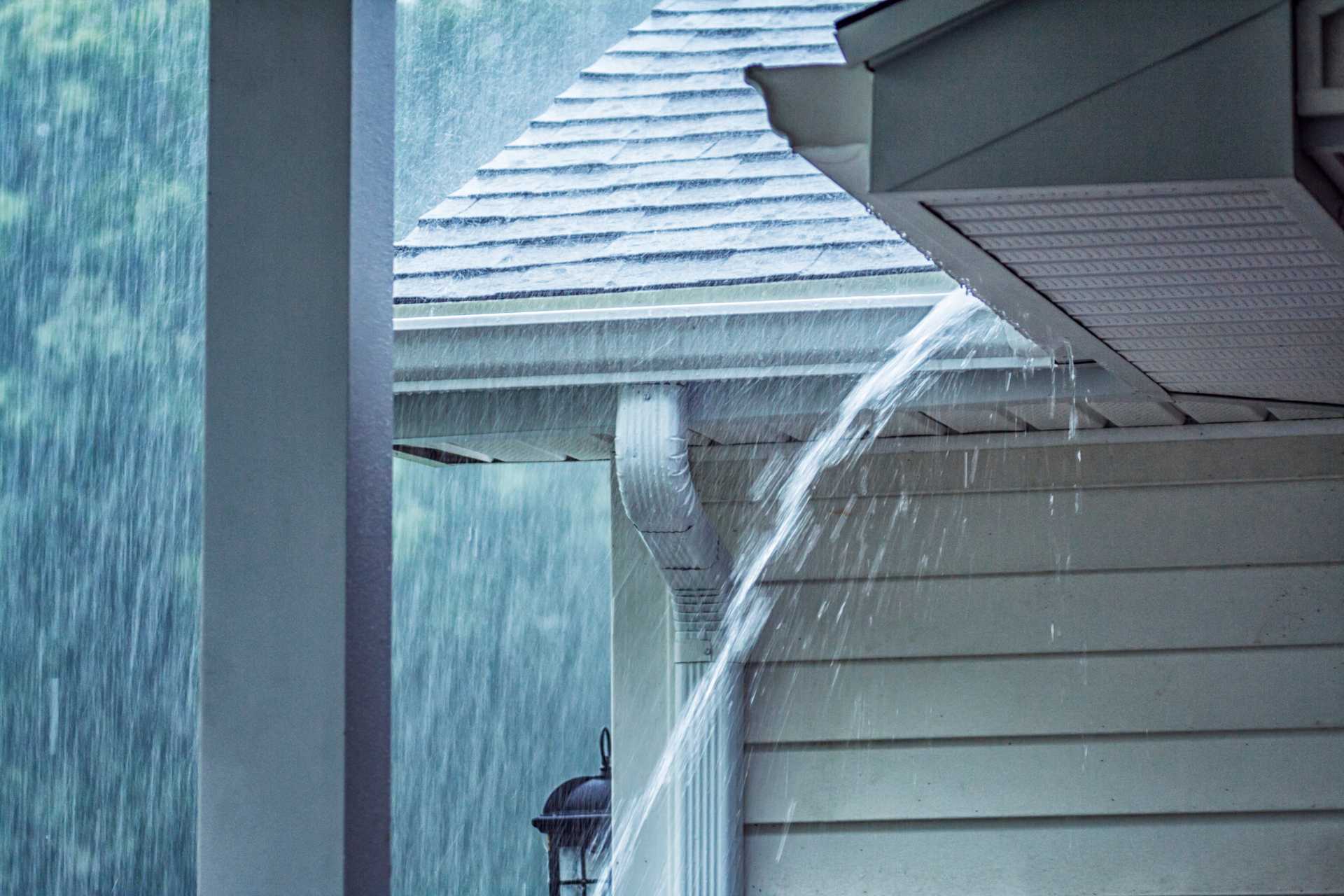
During a sudden Canadian downpour, your roof acts as a massive funnel. It collects thousands of gallons of water in a matter of minutes. For homes with expansive footprints or steep pitches, this “water surge” can be overwhelming. Most homeowners focus on the shingles, but the real challenge is where that water goes once it leaves the eave. If your drainage system is undersized, that surge becomes a flood. This is why a coordinated strategy between your roofing company and your drainage specialist is vital. While the roofers ensure the water sheds perfectly, you need a high-capacity system at the bottom to receive it.
The most critical component of this system is the catch basin. This underground reservoir is the primary collection point for your home’s runoff. However, a catch basin is only effective if it can handle the volume and remains free of debris. Regular catch basin cleaning is a non-negotiable part of home maintenance in 2026. Without it, silt and shingle granules can clog the outlet, causing water to back up toward your foundation. This article breaks down the “math of water volume.” We will help you understand how to size your drainage to prevent overflow flooding during the next flash storm.
The Math of Water Volume: How Much Can Your Roof Catch?
The sheer volume of water produced by a large roof is often shocking to homeowners. To put it in perspective, one inch of rain falling on a 2,000-square-foot roof produces about 1,250 gallons of water. In a heavy Canadian thunderstorm, that volume can drop in less than an hour. If you have a complex roof with multiple gables and valleys, the water is channelled into specific “hot spots.” These areas receive a concentrated blast of runoff.
Standard yard drains are often designed for surface puddles, not high-velocity roof surges. When a large roof dumps into a small drain, the water has nowhere to go. It backs up, overflows the basin, and begins to erode the soil near your basement walls. This is why high-capacity catch basins are essential for custom homes. They provide the necessary “buffer” to hold a large volume of water while the outlet pipe works to carry it away at a steady rate.
Sizing Your Basin Based on Roof Surface Area
Sizing a catch basin is an engineering task, not a guessing game. A professional must look at the total “catchment area” of your roof. This includes the horizontal square footage of all roof planes. Steep-pitched roofs are particularly aggressive. They shed water much faster than low-slope roofs, creating a high-pressure “pulse” of water during a storm. Your catch basin must be deep enough to trap this surge without overflowing.
A high-capacity basin typically features a larger “sump” area at the bottom. This space allows water to enter at high speeds without immediately hitting the outlet pipe. It also provides a dedicated space for heavy debris to settle. If you are working with a roofing company on a new build or a major renovation, ask for the total surface area measurements. Use this data to ensure your drainage contractor installs a basin that can handle a “100-year storm” event.
The Role of Catch Basin Cleaning in Storm Prevention
Even the largest catch basin will fail if it is full of sludge. Over time, your roof sheds more than just water. It sheds shingle granules, dust, and organic matter like leaves or pine needles. These materials settle at the bottom of the basin. If the sediment reaches the level of the outlet pipe, the system stops working. This is why catch basin cleaning is the most important “hidden” chore for any homeowner.
A professional cleaning involves vacuuming out the accumulated silt and checking the integrity of the pipes. In 2026, many homeowners use “smart” sensors that alert them when the water level in the basin stays high for too long. This usually indicates a blockage. By keeping the basin clear, you ensure that the “buffer” space is always available for the next rain surge. It turns a potential flood into a controlled, manageable flow.
Protecting Your Foundation from Hydrostatic Pressure
The ultimate goal of a high-capacity drainage system is to protect your foundation. When a catch basin overflows, the water saturates the ground immediately next to your house. This creates “hydrostatic pressure.” The heavy, water-logged soil pushes against your basement walls. This pressure is the leading cause of structural cracks and catastrophic leaks.
By directing the “surge” into a properly sized basin, you keep the soil around your home dry. This is especially important for homes with finished basements or underpinned foundations. A well-designed system carries the water at least ten feet away from the structure before releasing it into the municipal storm line or a dry well. This handshake between your roof and your catch basin is your home’s most important defence against the elements.
Balancing the Peak and the Pit
A beautiful roof is only half of the solution. To truly protect your home, you must manage the water from the moment it hits the peak to the moment it enters the pit. Large Canadian homes require more than just standard gutters; they require a high-capacity drainage strategy that respects the volume of our modern storms.
Work with your roofing company to understand your roof’s output. Then, invest in professional catch basin cleaning to keep the system running. When your roof and your drainage work in harmony, you can listen to the rain without fear. You will know that your home is engineered to handle the surge, keeping your foundation dry and your investment secure for years to come.
