
As autumn rolls across Canadian provinces, savvy property owners look for ways to maximize both the physical durability and market value of their home
As autumn rolls across Canadian provinces, savvy property owners look for ways to maximize both the physical durability and market value of their homes. When considering major capital improvements, smart investments address both structural resilience and usable living space. While many homeowners tackle small cosmetic fixes every few years, structural upgrades offer the highest long-term return on investment. In particular, combining a foundational project like basement underpinning with an overhead upgrade like a modern metal roofing system creates a complete top-to-bottom transformation.
Securing the top and bottom of your building envelope prepares your property for harsh seasonal weather while significantly increasing overall square footage. Upgrading to a modern steel or aluminum roof shields your home from ice dams and heavy snow loads. Meanwhile, lowering your foundation footings transforms a cramped, dark basement into a bright, legal income suite or expansive family living space. Executing these major projects during the autumn season ensures your home remains structurally sound, energy-efficient, and winter-ready from foundation to ridge cap.
The Quick Edit
- Total Envelope Security: Underpinning reinforces aging foundation footings against frost heave, while a metal roof provides a non-combustible, leak-proof barrier overhead.
- Unlocking Hidden Value: Lowering a basement floor creates full 8-to-9-foot ceiling heights, converting underutilized utility space into high-value rental units or family living areas.
- Lifetime Durability: Standing-seam metal roofs easily outlast traditional asphalt shingles, offering a 50+ year lifespan that handles extreme freeze-thaw cycles without cracking.
Why Top-to-Bottom Upgrades Make Sense in Fall
Homeowners often view foundation work and roofing projects as completely separate endeavours managed years apart. However, viewing your home as an interconnected structural unit reveals the clear logic of coordinating these investments.
During Canadian autumns, weather conditions are ideal for major structural construction. Autumn ground temperatures remain workable before deep frost locks the soil, making it easier for excavators and foundation crews to pour concrete footings safely. Simultaneously, dry fall days provide stable weather for roofing crews to remove old material and secure metal panels before winter blizzards arrive.
Investing in both ends of the building envelope delivers complementary structural benefits:
- Protecting New Living Space: Spending tens of thousands of dollars finishing a luxury basement apartment makes little sense if an aged asphalt roof risks leaking water down through upper-floor wall cavities.
- Managing Heavy Snow and Soil Loads: A heavy winter snowpack places immense downward pressure on your home. A standing-seam metal roof effortlessly sheds snow, while an underpinned concrete foundation provides enhanced load-bearing capacity to support structural weight.
- Optimizing Contractor Timelines: Tackling major structural permits, engineering assessments, and site preparation in the fall allows indoor finishing work to continue smoothly through the winter months.
Part 1: The Magic of Basement Underpinning
For many Canadian homes—especially classic brick bungalows, century homes, and mid-century split-levels—basements were originally constructed with low 6-foot ceilings intended solely for storage and mechanical equipment. As housing demand grows and property values rise, leaving that lower level as an unfinished cellar wastes valuable real estate.
Underpinning transforms a dark, shallow cellar into a high-ceiling sanctuary. By digging beneath the existing shallow footings in controlled sections, workers extend the foundation walls downward to convert a cramped 6-foot clearance into an airy 8- or 9-foot living space. The process finishes with a newly poured, reinforced concrete slab floor complete with integrated waterproofing and modern sub-slab drainage.
How Underpinning Works Step-by-Step
The underpinning process requires careful engineering and precise execution to ensure house stability throughout construction:
- Excavation in Pins: Workers do not dig out the entire basement floor all at once, as this would cause the house walls to collapse. Instead, engineers divide the foundation perimeter into numbered sections called “pins” (typically 3 to 4 feet wide).
- Digging Beneath Footings: Crews excavate underneath section 1, digging down to the new desired depth.
- Pouring Reinforced Concrete: Concrete is poured into the excavated section beneath the old foundation wall and allowed to cure fully.
- Completing the Loop: Once section 1 is secure, crews move to section 2, repeating the process around the entire perimeter until a continuous, deeper foundation wall supports the building.
- New Concrete Slab & Waterproofing: After all pins are cured, workers install interior drainage membranes, sump pumps, rigid floor insulation, and a brand-new level concrete floor slab.
The Benefits of an Underpinned Basement
Beyond increasing vertical clearance from a cramped 6 feet to an airy 8 or 9 feet, underpinning stabilizes aging foundation walls that may have shifted or cracked over decades. It allows you to install modern sub-slab insulation and radiant in-floor heating, turning a cold cellar into a warm, comfortable space. Most importantly, it creates the vertical clearance required by municipal building codes to construct legal basement rental suites, providing homeowners with steady rental income.
Part 2: The Unmatched Superiority of Metal Roofing
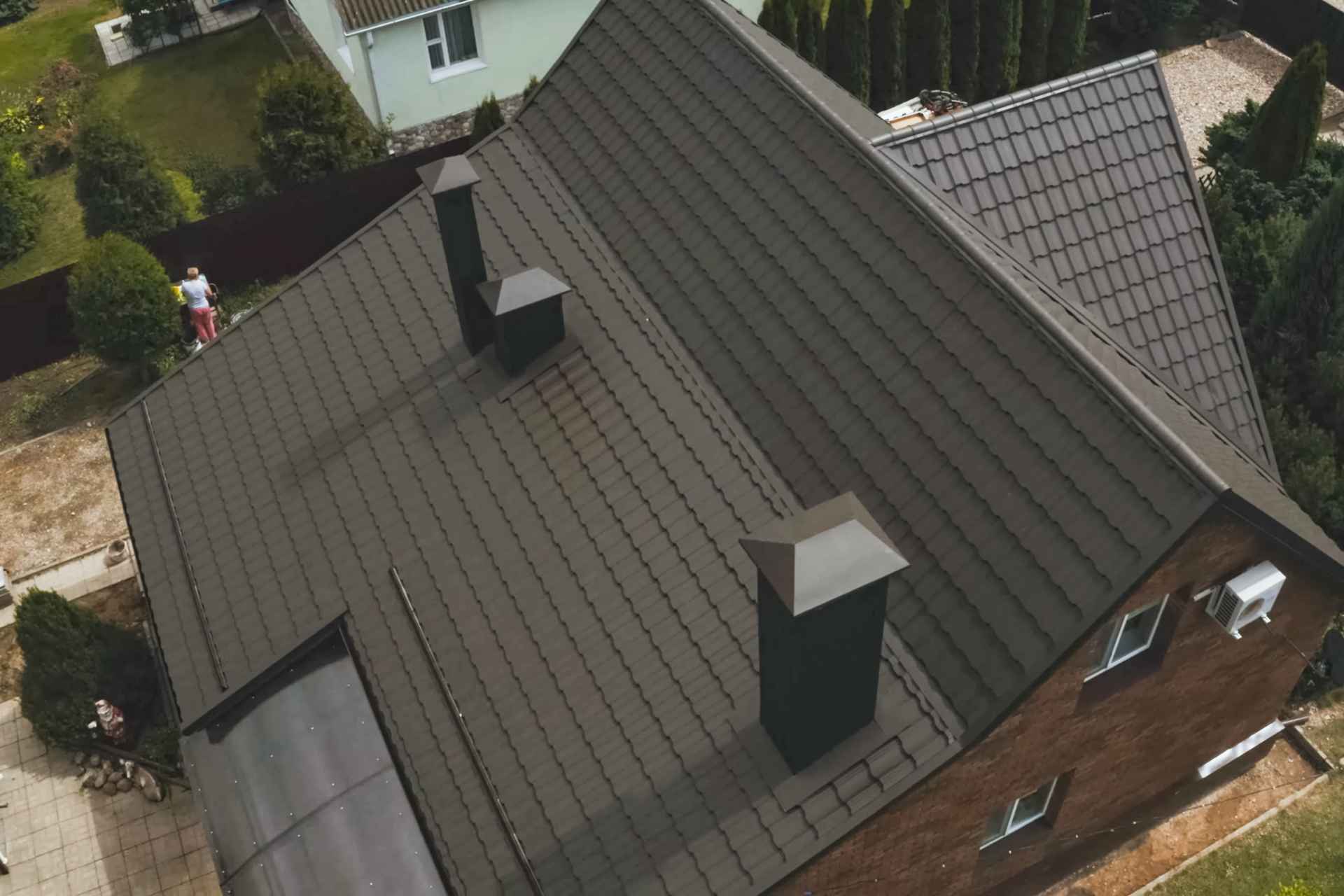
While underpinning secures your foundation, installing a high-grade metal roof protects your investment from above. Traditional asphalt shingles have a notoriously short lifespan in northern climates, often deteriorating within 12 to 18 years due to severe temperature shifts, UV radiation, and heavy ice accumulation. They require frequent maintenance, perform poorly under heavy ice dams, and end up in landfills. Modern standing-seam metal roofs, by contrast, last 50 to 70+ years, effortlessly shed snow, require virtually zero maintenance, and feature 100% recyclable steel or aluminum.
Modern residential metal roofing—available in corrugated panels, standing seam profiles, and metal shingles—represents a permanent roofing solution.
Engineered for Canadian Winter Performance
Metal roofing outperforms traditional materials across several critical performance areas during northern winters:
- Effortless Snow Shedding: The smooth, painted surface of metal panels prevents snow and ice from gripping the roof deck. As soon as sunlight warms the metal panels, packed snow slides off safely, eliminating the structural weight of heavy snow accumulation.
- Elimination of Ice Damming: Ice dams form when heat escaping from an attic melts snow on the roof deck, causing water to run down and freeze at the cold eaves. Because standing-seam metal panels feature raised interlocking seams above the water line and continuous smooth runs from ridge to eave, backed-up water cannot penetrate the roof structure.
- Wind and Fire Resistance: High-grade steel metal roofing systems carry Class A fire ratings and withstand wind gusts exceeding 190 km/h, easily resisting severe autumn windstorms and winter blizzards.
Thermal Synergy: Locking in Energy Savings
Combining foundation underpinning with a new metal roof drastically improves your home’s thermal envelope, lowering year-round energy consumption.
Uninsulated basement floors and drafty roofs act as thermal drains on your HVAC system. During winter, heat rises rapidly and escapes through an improperly sealed roof structure—a phenomenon known as the stack effect. As warm air escapes through the top of the house, it draws cold air in through cracks in the lower basement walls.
Executing a comprehensive top-and-bottom upgrade breaks this cycle. During underpinning, contractors lay continuous rigid foam insulation beneath the new concrete slab, preventing cold ground temperatures from chilling your living area. Overhead, installing a metal roof paired with modern synthetic underlayment and updated attic insulation creates an airtight seal. This dual thermal barrier keeps indoor temperatures stable, reduces furnace workload, and lowers monthly heating bills throughout the coldest winter months.
Maximizing Property Value and Long-Term ROI
Major structural renovations require significant capital, but they also deliver exceptional long-term equity growth.
From a real estate perspective, adding 800 to 1,200 square feet of legal, high-ceiling living space via basement underpinning yields a high return on investment. Whether used as a secondary suite, a home office, or a recreational room, functional lower-level square footage commands high market appraisal values.
Simultaneously, a lifetime metal roof serves as a major selling point for future buyers. Knowing they will never have to replace shingles or deal with roof leaks provides buyers with tremendous peace of mind, allowing sellers to ask a premium listing price.
Total Peace of Mind
Your home is your most valuable financial asset, and protecting it requires a proactive approach to structural care. Postponing foundation repairs or settling for temporary roof patches leaves your property vulnerable to severe weather damage and costly emergency repairs.
By combining basement underpinning with a premium metal roofing installation during the autumn season, you secure your home from the ground up. You gain usable living space, lower your energy costs, and protect your home against harsh winter weather for decades to come.
