
In the Canadian real estate market of 2026, energy performance has shifted from a niche interest to a primary driver of property value. As utility cos
In the Canadian real estate market of 2026, energy performance has shifted from a niche interest to a primary driver of property value. As utility costs and carbon taxes continue to rise, a home’s thermal efficiency is often the first thing a sophisticated real estate agent highlights during a showing. This has led to a surge in window replacement projects specifically focused on upgrading from traditional double-pane to modern triple-pane glass. High-performance windows are no longer seen simply as a renovation; they are viewed as a long-term financial hedge against rising living costs.
Triple-pane technology has become the new benchmark for “green” home equity. While a home might appear aesthetically pleasing, poor insulation through outdated glass is effectively a hole in the homeowner’s wallet. Investing in the highest standard of energy-efficient glazing offers a measurable return on investment (ROI). It improves the home’s Energy Star rating, which in turn influences the appraised value and the speed at which a property sells in a competitive environment.
The Science of the Triple-Pane Advantage
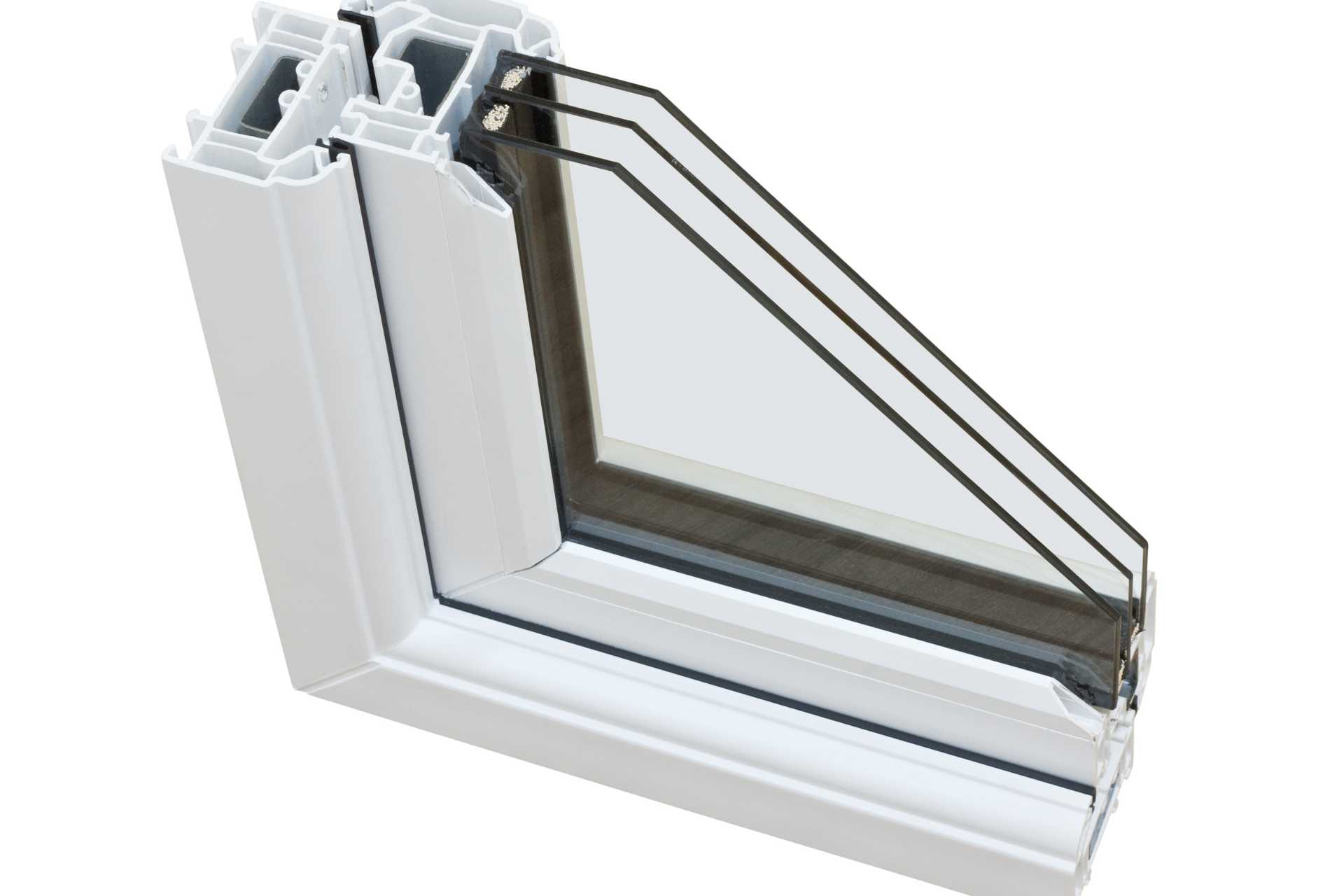
Triple-pane windows consist of three layers of glass separated by two spaces filled with insulating gases, typically argon or krypton. This configuration provides an extra layer of protection compared to standard double-pane units. The middle pane of glass acts as a secondary barrier, significantly reducing the amount of heat that can pass through the window. This is measured by the “U-factor,” where a lower number indicates better insulation properties.
By lowering the U-factor, these windows minimize thermal transfer, keeping heat inside during the winter and outside during the summer. This stability is essential in Canada, where temperature extremes can fluctuate by over 60 degrees throughout the year. For a potential buyer, the presence of triple-pane windows indicates a home that is built to handle the local climate with minimal energy waste. The physics of the extra pane also slows down the movement of heat, creating a more consistent thermal envelope that protects the entire structure.
Impact on Home Appraisals and Energy Ratings
Home appraisals are increasingly reflecting the quality of a building’s envelope. In 2026, energy audits are a standard part of many home inspections, and a high Energy Star rating can set a property apart from its neighbours. Triple-pane windows are one of the most visible and impactful upgrades a homeowner can make to improve this rating. When a home is certified as energy-efficient, it appeals to a broader demographic of buyers who prioritize sustainability and low operating costs.
Financial institutions and insurers also take note of these upgrades. Some mortgage products now offer “green” incentives or lower interest rates for homes that meet high efficiency standards. This financial ecosystem creates a premium for properties with modern window replacement already completed. The value is not just in the glass itself, but in the official certification of the home as a high-performance asset. Professional appraisers now categorize these windows as a high-tier capital improvement rather than a basic repair.
Enhancing Indoor Comfort and Usability
Beyond the numbers on a utility bill, triple-pane windows significantly enhance the “livability” of a home. Cold drafts and “chilly spots” near windows are common complaints in older Canadian houses. Triple-pane glass maintains a surface temperature much closer to the interior room temperature. This eliminates the discomfort of sitting near a window on a cold day, effectively making the entire square footage of a room usable year-round.
This improved comfort level is a major selling point during open houses. A buyer can stand next to a large picture window in the middle of January and feel no temperature drop. This physical experience of quality is often more persuasive than a written report. It conveys a sense of luxury and meticulous maintenance that justifies a higher asking price. When every square foot of the home feels comfortable, the perceived value of the space increases dramatically.
Condensation Control and Structural Health
Condensation on windows is more than just a nuisance. It is often a sign of excessive humidity hitting a cold surface, which can lead to mould growth and wood rot on window sills. Triple-pane windows are far less prone to condensation because the inner pane remains warmer. This protects the structural integrity of the window frames and the surrounding wall sections over the long term. Moisture management is a key concern for home inspectors, and clean, dry windows are a sign of a healthy building.
Preventing moisture damage is a critical component of “future-proofing” a home. A house that shows signs of water damage around the windows will immediately raise red flags for buyers alike. By maintaining a dry, stable environment, triple-pane windows preserve the interior finishes of the home, such as paint and hardwood flooring. This reduces long-term maintenance costs and ensures the property remains in “move-in” condition for a future sale. It also prevents the degradation of insulation within the wall cavities.
Sound Dampening as a Hidden Value
While energy efficiency is the headline feature, triple-pane windows offer an additional benefit that buyers value highly: sound insulation. The extra layer of glass and the second gas-filled chamber create a significantly more effective barrier against urban noise. In dense Canadian cities where traffic, construction, and transit noise are common, the ability to create a silent sanctuary is worth a significant premium.
Potential buyers often notice the “quietness” of a home immediately upon entering. This acoustic comfort is a subtle but powerful psychological trigger that suggests the home is a peaceful retreat from the outside world. For homes located near busy intersections or airports, triple-pane windows can unlock value that was previously suppressed by noise pollution. It is an upgrade that improves the quality of life daily while adding a unique selling proposition to the property listing.
The Role of Low-E Coatings and Gas Fills
The evolution of window replacement technology includes the use of Low-Emissivity (Low-E) coatings. These microscopic layers of metallic oxide are applied to the glass to reflect infrared light. In the summer, they reflect heat away from the house, and in the winter, they reflect heat back into the rooms. When combined with the three-pane structure, these coatings maximize the “R-value” of the window system.
The type of gas fill also plays a role in the window’s performance. Argon is the standard, but krypton is often used in triple-pane systems because it performs better in thinner spaces. These gases are denser than air and slow down the convection currents between the panes, further reducing heat loss. Buyers in 2026 are increasingly aware of these technical specifications and look for these “hidden” features as markers of a high-quality renovation.
The Long-Term ROI Strategy
While the initial cost of a triple-pane window replacement is higher than double-pane alternatives, the long-term ROI is superior. The energy savings alone often recoup the price difference over several years, but the real gain is found in the resale value. Buyers in 2026 are willing to pay more for a home that requires zero immediate upgrades to its exterior envelope. They recognize that a house with triple-pane windows is “done” and will not require further investment for decades.
Choosing the highest standard of energy efficiency is a strategic move for any homeowner looking to maximize equity. It positions the property as a premium, modern residence that respects both the environment and the owner’s budget. High-efficiency windows are a permanent upgrade that continues to provide value every day. In the shifting landscape of Canadian real estate, these windows are a safe and profitable investment that stands the test of time.
