
As cold weather begins to settle, effective winter preparation is essential for Canadian homeowners to safeguard comfort, maintain high energy efficie
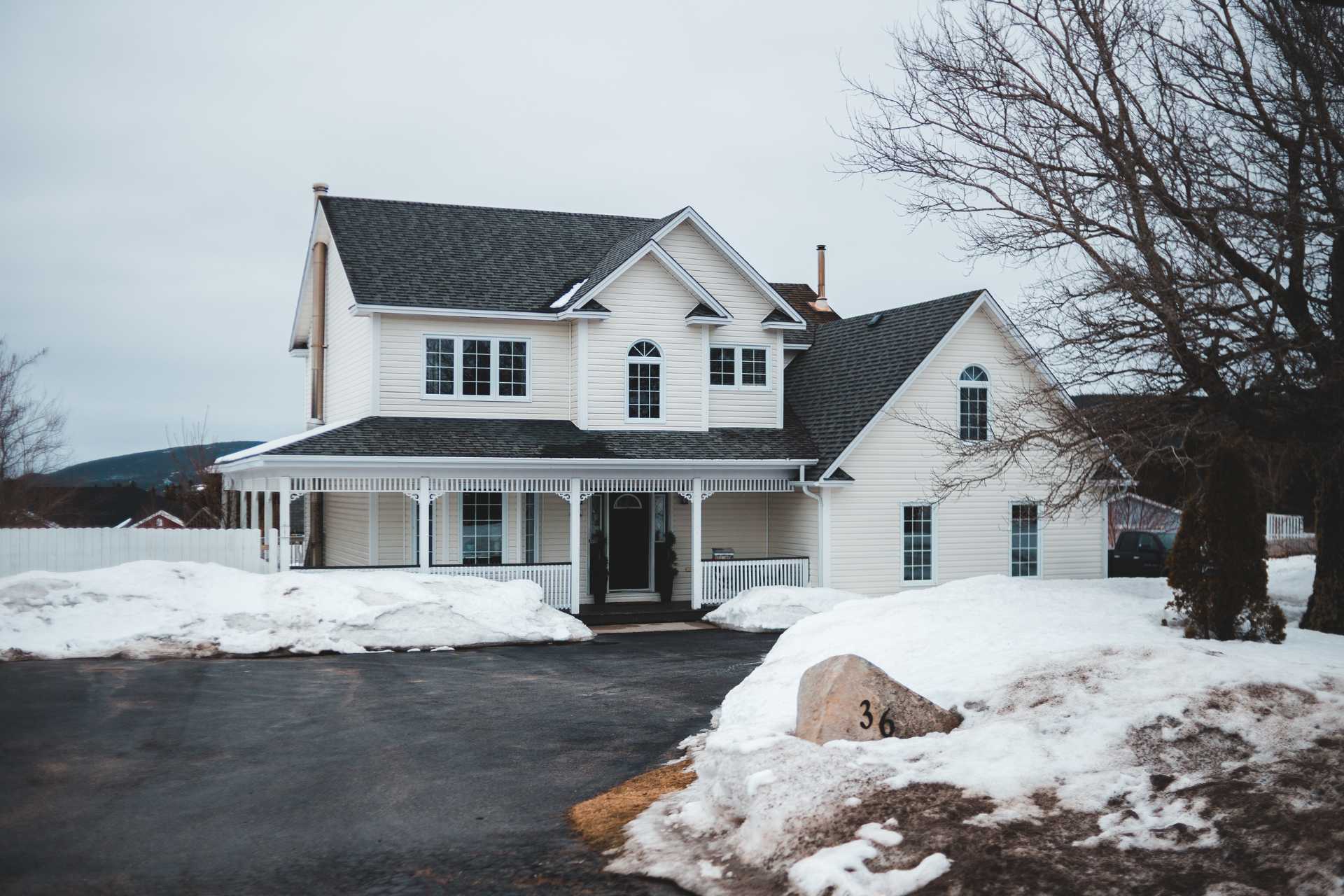
As cold weather begins to settle, effective winter preparation is essential for Canadian homeowners to safeguard comfort, maintain high energy efficiency, and protect the home’s long-term structure. The two most critical areas of concern are the primary thermal envelope—the roof—and the home’s mechanical heart—the furnace. Issues in one system, such as delayed roofing maintenance, often create strain on the other, increasing the risk of expensive breakdowns. For example, a failure to clear gutters can lead to roof damage that compromises insulation, forcing the furnace to work harder. This guide provides simple, actionable steps designed to keep your home safe, warm, and efficient throughout the harshest months, ensuring your systems are ready for the demanding cold and reducing the necessity for emergency furnace repair.
Roofing Prep: The Top-Down Defence
Preparing the roof is the first line of defence against winter damage, primarily focusing on managing water and heat loss. Homeowners must thoroughly inspect their roofing system for existing vulnerabilities. Check shingles for signs of cracking, curling, or missing pieces, as these open wounds allow water to penetrate the underlayment. Even minor flaws, if ignored, expose the underlying wood decking to moisture. Inspect roof flashing around chimneys, vents, and valleys, as failed seals here are the most common roofing problems leading to leaks.
A vital step involves clearing all gutters and downspouts. Clogged gutters can cause damages by preventing meltwater from draining, forcing water to back up under the shingles where it refreezes into destructive ice dams. Homeowners must remove all debris to ensure unobstructed flow. Furthermore, checking attic insulation and ventilation is crucial. Proper insulation reduces heat loss into the attic, which, when coupled with balanced ventilation, prevents condensation buildup and mitigates the risk of ice dam formation, securing the structural integrity of the home. This structural defence is critical for mitigating the risk of expensive interior damage.
Furnace Prep: The Engine of Winter Comfort
The home’s mechanical systems require professional attention before facing the winter workload. Scheduling a professional inspection with an HVAC technician is the single most important action. The technician assesses crucial components, including the burner, heat exchanger, and safety controls, ensuring the system operates safely and efficiently. They check for hairline cracks in the heat exchanger, which pose a severe carbon monoxide risk. This proactive step catches minor issues that could otherwise escalate into emergency furnace repair during a severe cold snap, when service rates are highest and response times are longest.
Between professional inspections, homeowners must prioritize maintenance tasks. Replacing or cleaning the air filter is paramount; a clogged filter restricts airflow, forcing the system to work harder, which drastically increases energy consumption and component wear. Homeowners should also test the thermostat and controls to ensure accurate heating throughout the house. Finally, sealing ducts and vents prevents up to 30% of conditioned air from being lost before it reaches living spaces, improving circulation and significantly reducing the system’s overall workload. Considering energy-efficient upgrades, such as high-efficiency furnaces or smart thermostats, further maximizes energy savings and comfort.
Insulation Synergy: How the Systems Collaborate
The efficiency of the roof and the performance of the furnace are intrinsically linked. This synergy begins with insulation. A well-sealed and insulated roof minimizes the demand placed on the heating unit by preventing unnecessary heat loss from the top of the home. When roofing insulation is inadequate, the furnace runs longer cycles to replace the heat escaping through the attic, leading to higher fuel consumption. This constant overwork shortens the lifespan of the furnace itself.
Conversely, proper roof ventilation prevents the heat generated by the furnace from damaging the attic. Balanced airflow flushes out any excess heat and moisture, preventing ice dams and condensation that can destroy the roof deck and insulation. This structural synergy is essential: if heat loss causes moisture buildup in the attic, the resulting wet wood creates a hospitable environment for mould and weakens the structural supports. When both systems are performing optimally, the home maintains a stable interior temperature, eliminating cold spots and drafts. This structural synergy reduces the risk of major repairs to both the roofing and the furnace.
Long-Term Strategy: Costs, Savings, and Resale
Proactive winter prep acts as insurance against costly surprises. The immediate investment in annual maintenance and necessary minor repairs is substantially lower than the cost of an emergency breakdown in January, when both service fees and repair wait times skyrocket. These preventative measures, such as addressing minor roof flashing issues or replacing a failing capacitor, directly extend the functional lifespan of both the roof and the furnace, potentially delaying expensive capital replacements by several years.
The long-term benefits also translate into financial gains upon resale. Documented maintenance records and recent upgrades, such as a new roof installed by a certified contractor or a high-efficiency furnace, assure potential buyers of low operating costs and reliability. This confidence boosts the home’s marketability and supports a higher resale value, confirming that maintenance is truly an investment, not an expense. This meticulous record-keeping provides future buyers with peace of mind regarding the home’s operational health, translating directly into a stronger negotiating position for the seller.
Your Actionable Annual Checklist
Homeowners should create and adhere to a seasonal checklist to manage these complex systems effectively. This process begins by checking the structural perimeter. Keep detailed records of all inspections, repairs, and annual servicing for both the roof and the furnace. This documentation is invaluable for insurance purposes and future buyers, proving that the home has been responsibly cared for.
Budget for annual maintenance, treating the furnace repair and roofing inspection as fixed costs to avoid financial surprises. Finally, always work with trusted contractors and HVAC professionals. Their expertise ensures that any necessary repairs or replacements—from fixing soffit and fascia problems to replacing a burner assembly—are done correctly and safely, ensuring the home is resilient against the deepest cold. This verification ensures that all repairs comply with local safety standards and codes.
Your Home’s Winter Profit Margin
Winterizing your roof and furnace is simple but crucial. It transforms your home from a vulnerable structure into a fortified, energy-efficient asset. Schedule your roof inspection and furnace tune-up today to enjoy a worry-free winter.
